What is standing between your organisation and what comes next?

Start from your situation, in your own words: it does not need to be about data. Each situation shows its signs, what changes for you and, where it is public, a result already delivered.

What changed in situations like yours.

Answer two questions. We count the answers, never who gave them.

“Our numbers drift, and nobody knows why.”

A team around a meeting table late in the evening, laptops open, behind a glass wall.

You may recognise it

  • Sales or stock figures that move after the month is closed.
  • Two reports with two values for the same thing, and a meeting spent on which one is right.
  • A fix that holds for a month, then the gap is back.

What changes for you

You find the cause and trust your figures again. A check warns you if the gap returns. Your meetings decide on the figures instead of arguing over them.


“Where to open? Everyone inside has a favourite.”

A shopping street in an old European city at dusk, shop signs lit and a few passers-by.

You may recognise it

  • A shortlist argued over in meetings, never measured.
  • Catchment areas drawn as circles on a map, as if there were no roads.
  • Travel-time data bought per query, too expensive to run for every candidate.

What changes for you

You count the customers, patients or staff within 10, 15 or 30 minutes of each site, by car and by public transport. You decide where to invest and which customers come within reach, on that count, not on who argues best.

“Reports take hours, and cost more each year.”

An office building at night, its facade dark except for one lit floor of desks.

You may recognise it

  • A nightly report that is still running in the morning.
  • A bigger server every year, for the same work.
  • A cloud bill nobody can explain line by line.

What changes for you

We identify ways to shorten reporting times and reduce infrastructure costs, then measure the improvement on your actual workloads. You decide on server and cloud spending knowing what each report costs.

“Our archive is unsearchable; AI might invent answers.”

An open drawer of a grey filing cabinet, full of old index cards.

You may recognise it

  • Someone spends days looking for a clause or a record that is in there somewhere.
  • An AI pilot answered confidently, and was sometimes wrong.
  • Nobody can say where an answer came from.

What changes for you

You search the whole collection. Every answer points to its source and says when it is unsure. You decide where AI can help, on answers your team can check.

“E-invoicing is mandatory; our admin is still manual.”

Tall stacks of paper files with yellow tabs in an office.

You may recognise it

  • Peppol has been mandatory between Belgian companies since 1 January 2026.
  • Invoices rejected by customers days later, with no clear reason.
  • Bank lines matched to invoices by hand every month.

What changes for you

We help reduce invoice rejections and automate payment tracking and bank reconciliation where your systems allow it. You see what your administration costs and decide what to automate first.

“Strong project, close deadline, no fundable proposal yet.”

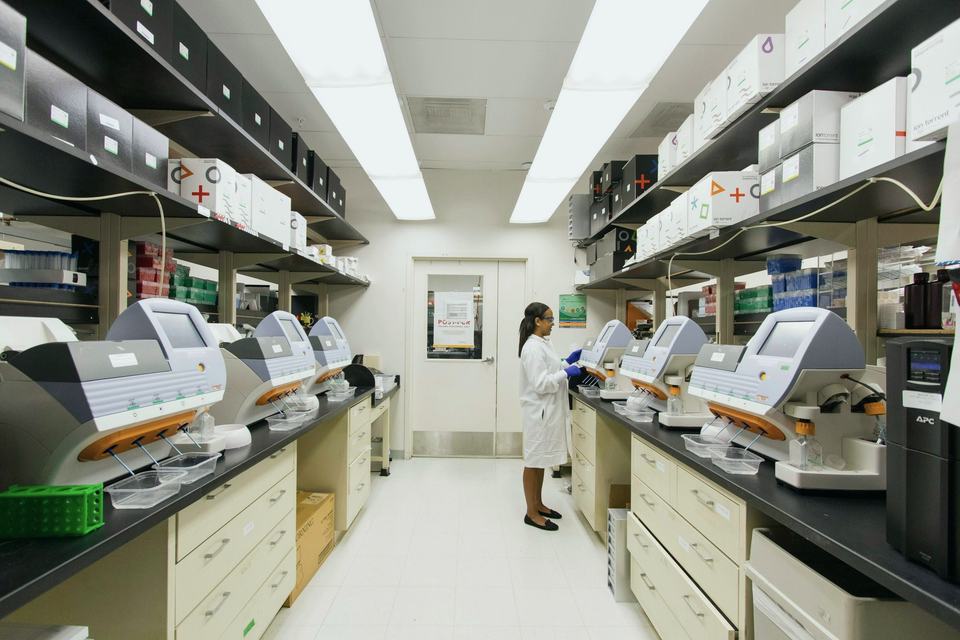
A laboratory corridor lined with instruments and shelves, a researcher in a white coat at work.

You may recognise it

  • A deadline in six weeks and no project plan yet.
  • Proposals that score well and still miss the cut.
  • No time to read every work programme.

What changes for you

You get a funding strategy and a proposal that answers the call exactly. Partners and logistics stay lined up until you submit. You decide which calls are worth the effort before your team writes a line.

15+

European Commission departments and agencies Linda has prepared bids for; today, an NIH proposal for a US research university.

Linda’s profile

“Our programme works; our funders can’t see it.”

A group of women sitting in a circle in a field, talking.

You may recognise it

  • Reports that are filed, not read.
  • Indicators that stay green while the work struggles.
  • A funder asking for evidence nobody planned to collect.

What changes for you

You get an impact evaluation and a story your funders understand. You decide what to continue, change or stop, and your funders see why.

+50 %

web traffic at constant budget, when Linda managed communications for an OECD directorate: its story reached more people.

Read “The Dashboard Is Green”

Smarter decisions.Lasting impact.

Tell us what you want to achieve.

A few lines are enough. You hear back from the person who would do the work.